

Posted by Michele Priest on Mar 23rd 2026
PFAS in Drinking Water (2026)
Health Risks, EPA Limits and How to Remove Them
Over 100 million Americans could be drinking forever chemicals every day. Find out what they are and how you can protect your family from contaminated tap water.
What You’ll Learn in This Article
- What PFAS (“forever chemicals”) are and why they matter
- How PFAS end up in tap water across the U.S.
- What the latest EPA regulations mean for your water in 2026
- The real health effects of PFAS
- Why bottled water is not a reliable solution
- Practical steps to reduce PFAS in your home
|
Key Takeaway: PFAS, or "forever chemicals," are persistent compounds found in many water supplies that can build up in the body over time. While most tap water in the United States meets regulatory standards, many people choose to further reduce PFAS exposure by better understanding their water quality and using certified filtration methods. |

What Are PFAS and Why Are They Everywhere?
 PFAS (per- and polyfluoroalkyl substances) are a large group of man-made chemicals used since the 1940s in everything from nonstick cookware to waterproof clothing and food packaging. They’re often called “forever chemicals” because they don’t break down easily in the environment.
Over time, PFAS have made their way into soil, rivers, groundwater, and ultimately, drinking water supplies across the United States. Their persistence is what makes them so concerning: once they’re there, they tend to stay.
According to ScienceDirect, Journal of Evnvironmental Chemical Engineering, PFAS contamination in tap water is now widespread and tied to industrial activity, firefighting foams, and everyday consumer products.
How PFAS Get into Your Drinking Water
PFAS contamination doesn’t just come from your home, it comes from upstream sources. Common ways include:
- Industrial discharge from manufacturing plants
- Military bases and airports (firefighting foam use)
- Landfills where PFAS-containing products break down
- Wastewater treatment systems that don’t fully remove them
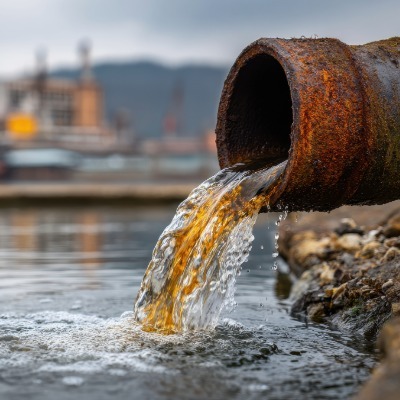 There are many ways that PFAS enter the water supply. When products containing forever chemicals are manufactured, used, and eventually discarded, these chemicals can leach into soil and groundwater. Rainwater can carry them into rivers and reservoirs that supply municipal drinking water. Even treated wastewater, often reused for irrigation or released into natural waterways, can contain PFAS because traditional treatment methods are not designed to remove them. Once in the environment, the forever chemicals travel easily through water, spreading far beyond their original source and contaminating both well water and public water systems.
PFAS dissolve easily in water and travel long distances, they can contaminate entire municipal water systems, even if the original source is miles away.
Everyday Products That Contribute to PFAS Pollution
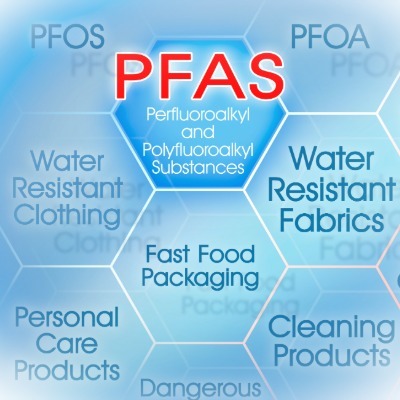 PFAS aren’t just an industrial issue, they are now a part of everyday life, which is one reason contamination is so widespread. These chemicals are prized for their ability to resist heat, water, and grease, so they’ve been used for decades in common household and consumer products.
According to the U.S. Environmental Protection Agency (EPA), PFAS can be found in items many people use daily, including nonstick cookware, food packaging, stain-resistant fabrics, and certain personal care products.
Common sources include:
- Nonstick cookware (such as older Teflon-style pans)
- Waterproof and stain-resistant fabrics (jackets, carpets, upholstery)
- Fast food wrappers and grease-resistant packaging
- Microwave popcorn bags and pizza boxes
- Cosmetics and personal care products (makeup, dental floss, lotion)
- Cleaning products and floor polishes
- Firefighting foams used at airports and military bases
Because PFAS are so persistent, even small, everyday exposures add up over time, contributing to a much larger environmental problem that is now being detected in water systems across the country.

What the Latest EPA Regulations Mean (2024–2026)
In 2024, the U.S. Environmental Protection Agency (EPA) finalized the first-ever national drinking water standards for PFAS, a major step forward in public health protection.
The rule set extremely low limits for some of the most studied PFAS chemicals, including PFOA and PFOS at 4 parts per trillion (ppt), near the lowest level detectable with current technology.
The EPA estimates these regulations could:
- Reduce PFAS exposure for approximately 100 million Americans
- Prevent thousands of deaths and serious illnesses over time
Water systems are now required to:
- Test for PFAS by 2027
- Meet compliance standards by around 2029
However, regulations are still evolving. According to Harvard Law Schools Environmental & Energy Program updates and revisions made in 2025-2026 may adjust which PFAS are regulated and how quickly systems must comply.
What Does This Mean to You:
Even with new rules in place, PFAS in tap water may still be present in many homes. Your water may still contain PFAS today, and in many cases, several years before full compliance is reached.
PFAS Health Effects: What These Chemicals Can Do to Your Body
According to the EPA research has linked PFAS exposure to a range of potential health effects including:
- Increased risk of certain cancers (kidney and testicular)
- Liver and kidney damage
- Thyroid disruption
- Immune system impacts
- Developmental issues in infants and children (low birth weight, accelerated puberty)
- Reproductive issues (decreased fertility)
In fact, the EPA has stated that for some PFAS, there may be no safe level of exposure based on current science.
Because PFAS accumulate in the body over time, even small amounts in drinking water can become significant with long-term exposure.
Is Bottled Water a Safer Option? Not Necessarily.
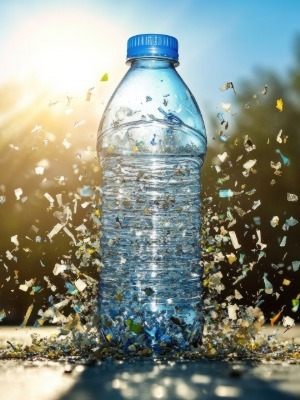 Many people assume bottled water is cleaner, but the reality is more complicated. A study published in the Washington Post, states that bottled water can actually expose consumers to far higher levels of microplastics than tap water sometimes tens of thousands of particles per year.
And when it comes to PFAS, bottled water is not immune to contamination. Studies have found that both tap and bottled water sources can contain PFAS, depending on sourcing and treatment.
Beyond health concerns, bottled water also comes with environmental costs:
- Plastic waste that can take hundreds of years to break down
- 14 million tons of plastic end up in oceans every year
- Increased carbon footprint from production and transportation
In short, switching to bottled water is not good for your family or for the environment.
Why “Safe” Water Doesn’t Always Mean PFAS-Free
Municipal tap water in the U.S. is among the most regulated in the world. But “regulated” doesn’t mean “perfect.”
There are a few key realities to understand:
- Regulations often lag behind emerging science
- Not all PFAS compounds are currently regulated
- Compliance timelines mean improvements take years
So, while your water may meet legal standards (EPA PFAS limits), it may still contain trace levels of contaminants, including PFAS.
What You Can Do to Reduce PFAS Exposure
The good news is that you’re not powerless. There are practical steps you can take to reduce your family’s exposure to PFAS:
1. Check Your Local Water Quality
Start by reviewing your utility’s annual Consumer Confidence Report (CCR), which outlines detected contaminants.
2. Limit Known Sources
Reduce exposure from:
-
- Stain-resistant and water-repellent products
- Grease-resistant food packaging
- Certain nonstick cookware
3. Use a Water Filter That Removes PFAS
Not all water filters are created equal. Some basic filters may reduce chlorine or taste, but are not certified to remove PFAS. Be sure not to get lost in marketing jargon and only look at NSF-certified filtration systems.
Look for systems that:
-
- Are independently tested or certified (NSF or WQA)
- Use advanced Solid Carbon Block or reverse osmosis technologies
- Specifically list PFAS reduction capabilities
A Smarter Approach to Drinking Water
As more people learn about PFAS and other contaminants in tap water, many families are starting to take a closer look at what’s coming out of their faucets. While regulations continue to evolve, you don’t have to wait years for changes to take effect before improving the quality of your own drinking water.
 A good filtration system can make a noticeable difference in your home by helping to:
- Reduce a broad range of contaminants, including PFAS
- Improve the taste and clarity of your tap water
- Cut down on plastic waste by replacing bottled water
- Provide cleaner water for both drinking and cooking
If you’re looking for a long-term solution, it’s worth choosing a filter that’s been independently certified to reduce both chemical and microbiological contaminants. Systems that use advanced technologies, like solid carbon block filtration or reverse osmosis, are built to deliver consistent performance and
long-lasting reliability, giving you greater confidence in the water your family uses every day.
As awareness around PFAS in tap water continues to grow, more households are taking a proactive approach to their drinking water.
Frequently Asked Questions about PFAS
 |
Can PFAS be removed from tap water? |
 |
Yes. Certain types of water treatment, such as solid carbon block filtration and reverse osmosis, have been shown to effectively reduce PFAS levels when they are properly certified and independently tested. |
|
Are PFAS found in bottled water? |
|
They can be. Testing has shown that some bottled water brands contain detectable levels of PFAS, depending on the water source and the treatment methods used. |
|
Are PFAS found in all tap water? |
|
No, not all tap water contains PFAS. However, nationwide sampling indicates that an estimated 45% of U.S. drinking water systems have detectable levels. |
|
What percentage of people have PFAS in their bodies? |
|
Studies have found PFAS in the blood of approximately 97% of Americans, largely due to widespread environmental and consumer‑product exposure. |
|
What type of filter removes PFAS the most effectively? |
|
Filters that have been independently certified to reduce PFAS, typically solid carbon systems or reverse osmosis units, are considered the most reliable options. When evaluating products, look for systems with recognized certifications for PFAS reduction from organizations such as NSF or the Water Quality Association. |

The Bottom Line
PFAS contamination is one of the most important drinking water issues in the United States today. While new regulations are a step in the right direction, they don’t eliminate the problem overnight.
Understanding what’s in your water, and taking steps to reduce exposure, can make a meaningful difference for your long-term health.
At the end of the day, the conversation around PFAS in drinking water comes down to one simple question: what’s really in the water your family drinks every day? The reality is that contaminants in your tap water like PFAS, microplastics, and other emerging pollutants are part of today’s water landscape, and waiting for standards to catch up isn’t a strategy. Taking control of your drinking water now is one of the most practical steps you can take to protect your health. Investing in a high-quality, NSF-certified water filtration system, like Multipure, designed to reduce PFAS and a wide range of other contaminants gives you confidence that every glass you drink, and the water you use to wash produce and prepare meals, is as clean as possible.
Clean, safe water isn’t something to leave to chance; it’s something you can choose today.